Biodiversity
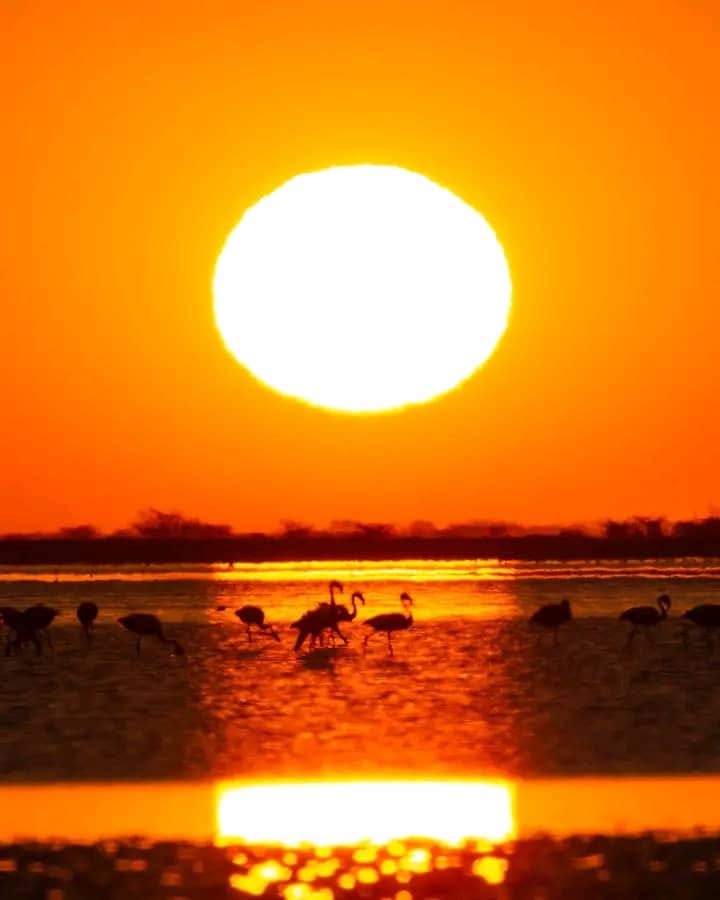
Roughly 45% of the sanctuary lies within the Sua Pan itself, creating seasonal wetland conditions that make this one of only three major flamingo breeding sites on the African continent.
Lesser and Greater Flamingos gather here by the hundreds of thousands during peak wet season, alongside great white and pink-backed pelicans — among the largest concentrations found anywhere in the world.
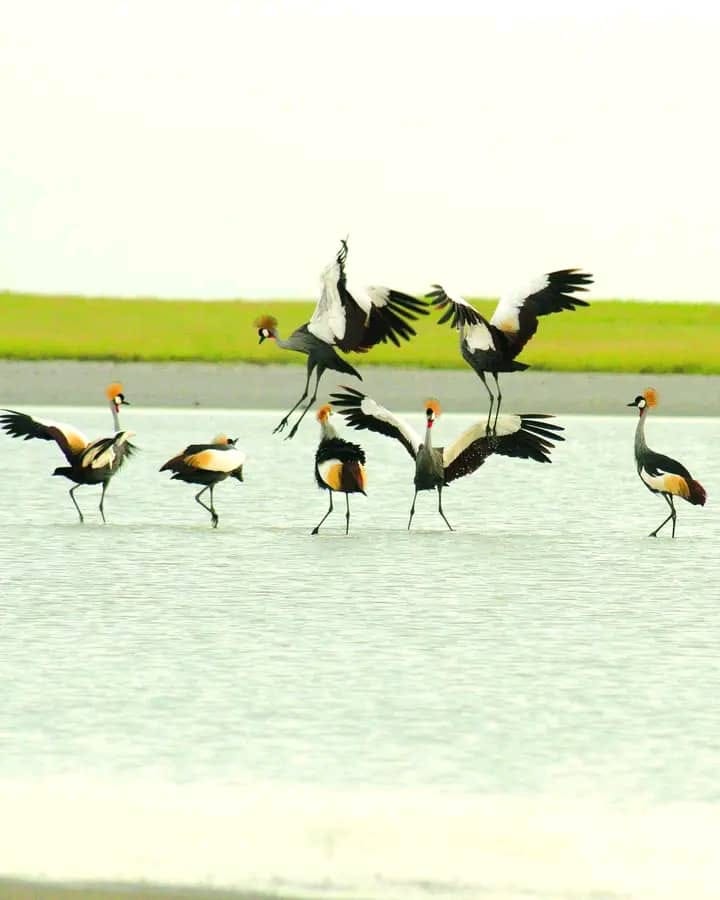
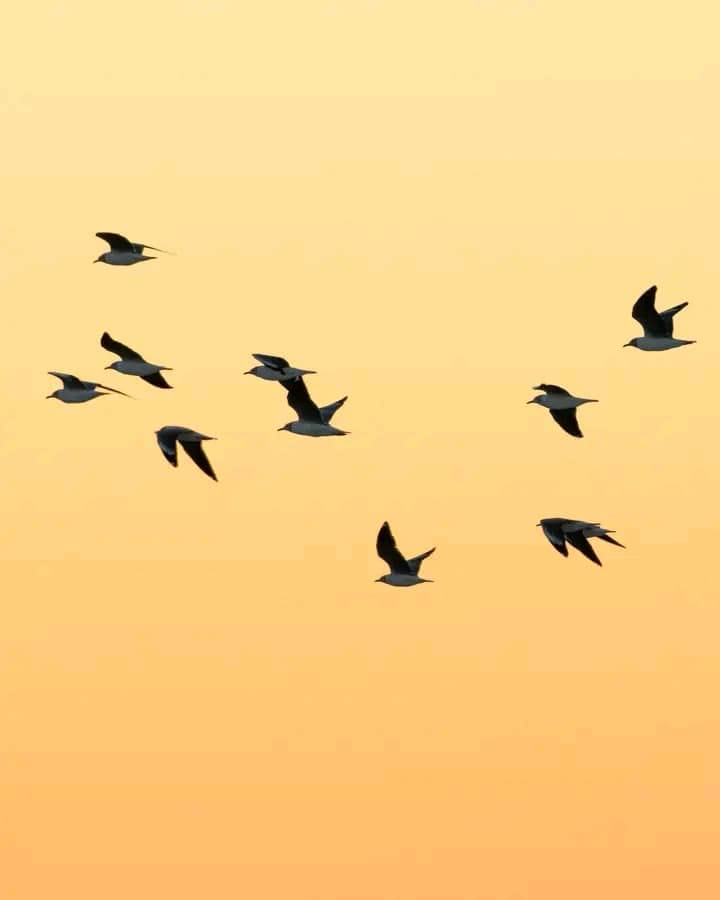
African fish eagles, secretary birds, kori bustards and blue-cheeked bee-eaters are among the many resident and migratory species recorded within the sanctuary’s boundaries.
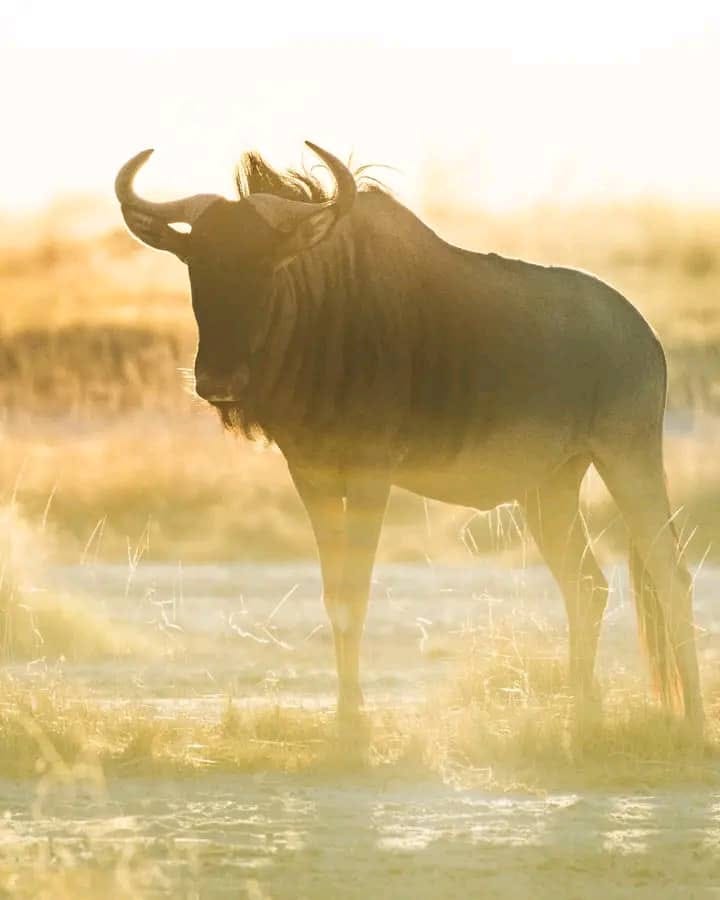
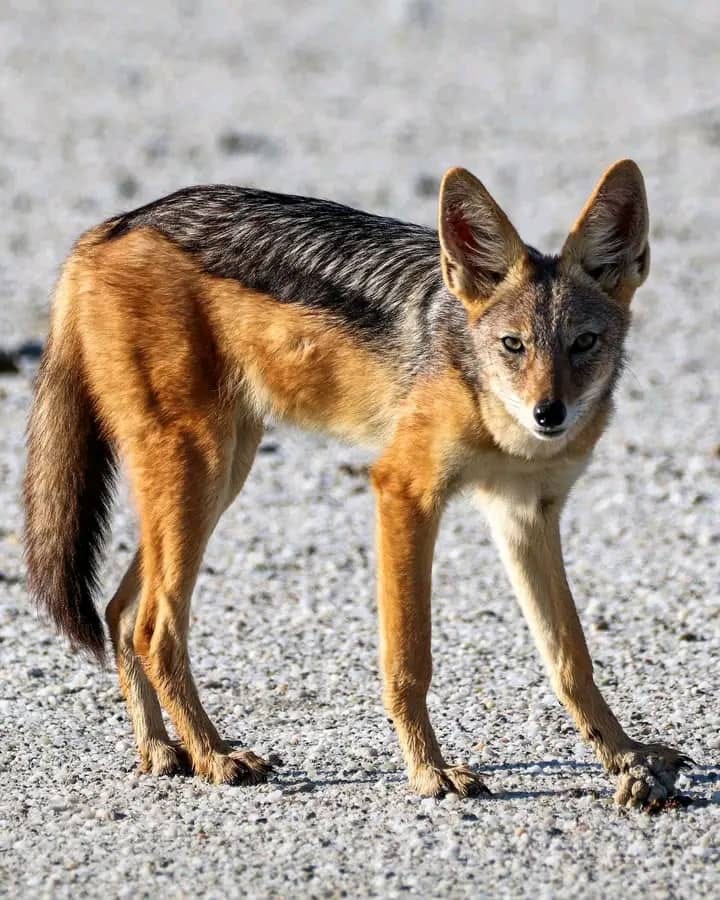
Beyond the pan, the surrounding grasslands support kudu, gemsbok, springbok, eland, hartebeest, zebra, jackal and springhare, best viewed during the drier months.
The spectacle is seasonal. After the rains the Sua Pan fills and becomes a temporary lake, attracting vast numbers of waterbirds to breed and feed.
January to April is the best time to visit. Water levels are highest and flamingo numbers can reach 250,000. Great white and pink-backed pelicans also gather in large flocks.
A raised wooden platform offers panoramic views across the pan without disturbing the birds.
As the water recedes, bird numbers drop but the surrounding grasslands become excellent for antelope and other savannah species. Roads are easier to navigate and standard vehicles are usually sufficient.
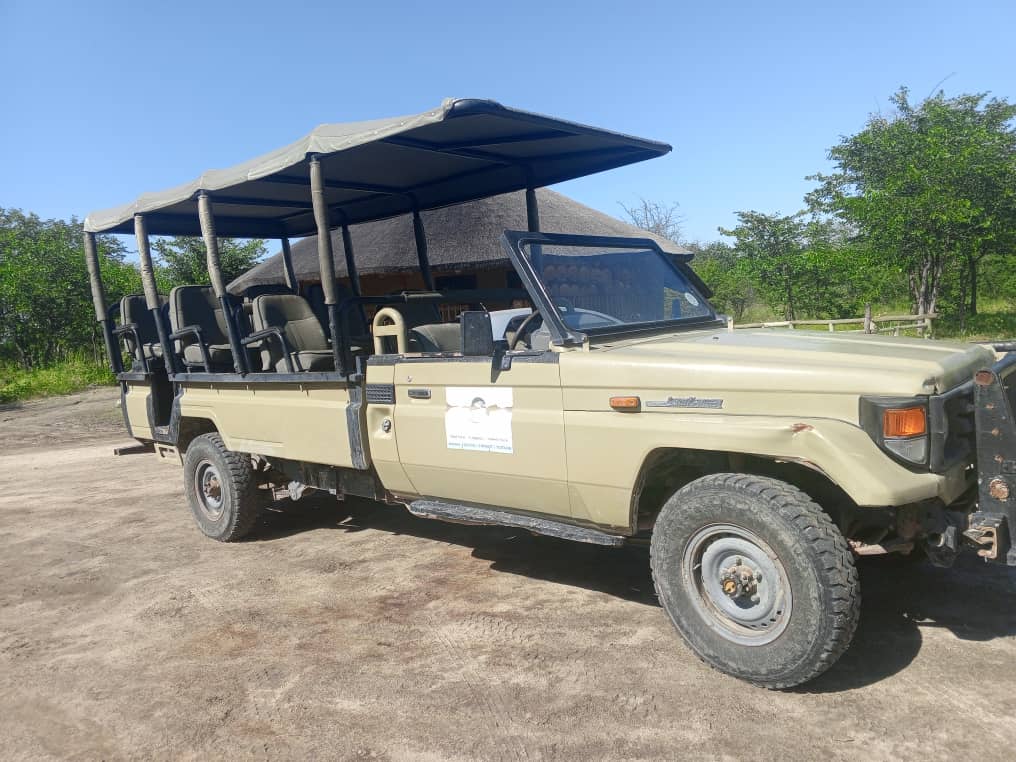
A 4×4 is strongly recommended in the wet season when black-cotton soils become difficult.
Flamingos, wetlands and the landscapes of the Sua Pan.
The Nata Bird Sanctuary is recognised by BirdLife International as an Important Bird and Biodiversity Area. Protecting the seasonal flooding, salinity and grazing balance of the Sua Pan is essential for the long-term survival of these flamingo colonies.